Choosing wireless mice is easier when the decision begins with a specific routine. The main goal here is controlling a computer comfortably through long work sessions. Product pages often emphasize one impressive measurement, yet the better choice depends on how performance, setup, comfort and upkeep work together. This guide turns those factors into a practical comparison.
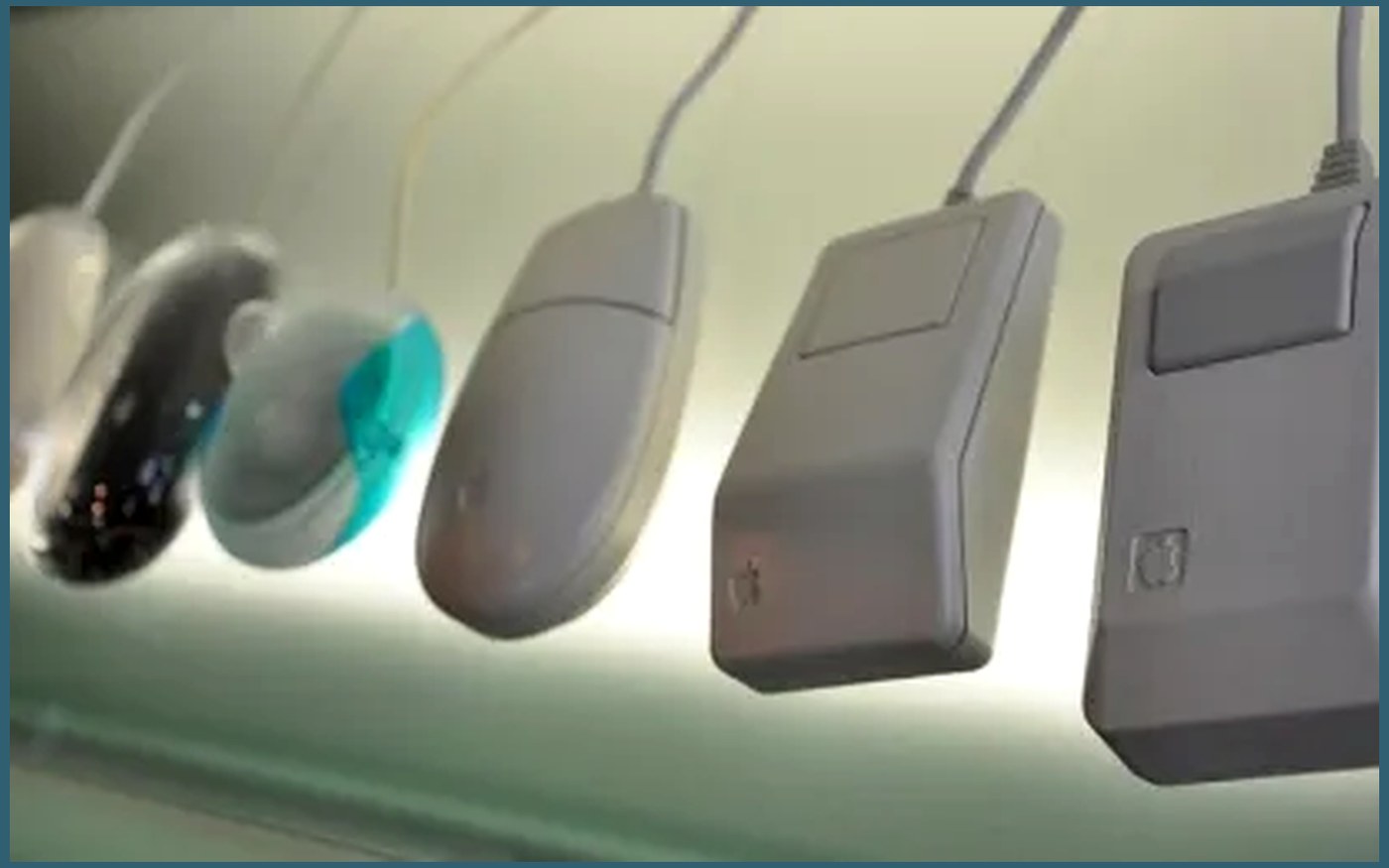
Start with the real setting
Write down what successful use looks like when controlling a computer comfortably through long work sessions. Record the available space, the usual workload, the hardest regular workload and the people who will operate the product. Measure openings, surfaces, travel distances and storage areas where relevant. Frequency also changes the decision: equipment used every day rewards fast setup and simple cleaning, while an occasional tool may justify extra assembly if it stores compactly. Separate requirements that cannot change from preferences that can be traded against price.
Consider the surrounding conditions as carefully as the product. Temperature, moisture, lighting, nearby outlets, wireless coverage, floor type, transport and local noise can all affect results. Reviews become more useful when their conditions resemble yours. A model that performs well in a large test room may be unnecessary in a small space, while a compact option may struggle when the task expands.
Study setup and handling
Follow one session from beginning to end. Include taking the product from storage, preparing it, performing the task, cleaning it and putting everything away. Notice the number of loose parts, the access needed for filling or emptying, and whether common adjustments are clear without reopening the manual. If possible, handle the product with its normal load and accessories installed because an empty display model can hide balance and weight problems.
Inspect the parts that receive repeated stress: handles, hinges, seams, latches, wheels, plugs, hoses, zippers, guards or removable covers as applicable. The main motor or body may be durable while a small proprietary component becomes the first point of failure. Good design makes wear visible, routine cleaning accessible and frequently used pieces replaceable without discarding the whole product.
Compare useful performance
The first technical comparison should cover shape, button force and sensor behavior on the desk surface. These factors decide whether the product can complete its main job without constantly operating at its limit. Compare ratings measured under similar standards and note whether a figure describes a short maximum, a normal mode or an ideal laboratory condition. Leave a reasonable margin for wear, weather, heavier loads or other predictable changes instead of choosing a product that only just reaches the minimum requirement.
Then examine connection switching, battery life, wheel feel and software support. These details often separate products that appear equal in a simple chart. Controls should provide useful intermediate steps, important status information should be easy to see and any required accessories should be available locally. Consistent behavior at an ordinary setting is usually more valuable than unstable performance at an extreme setting that is noisy, uncomfortable or difficult to sustain.
Avoid the easy mistake
A common error is choosing by hand size alone without considering grip style and desk height. The shortcut is attractive because it turns a complicated comparison into one number or feature, but it hides the conditions required to achieve the claim. Ask what changes at maximum output: noise, heat, runtime, accuracy, comfort or maintenance. A balanced model with predictable controls and available parts may provide better value than a dramatic specification that rarely helps during normal use.
Calculate ownership cost as well as purchase price. Include the consumables, replacement parts, accessories, energy and subscriptions that actually apply. Confirm that essential components are sold separately and check whether the warranty covers batteries or high-wear parts for a shorter period. Return conditions matter when fit and comfort cannot be judged from specifications alone.
Run a meaningful trial
Whenever practical, work for a full day and note wrist angle, missed clicks and connection changes. Keep the input, settings and environment consistent across candidates. Record setup time, adjustments, interruptions and the quality of the result rather than judging only speed. Repeat the most demanding step because a single successful attempt may hide inconsistent behavior. For online research, prefer demonstrations that show the complete process and state the settings, accessories and test conditions.
Also test the least convenient realistic condition. That may involve a fuller load, longer distance, dimmer room, colder day, uneven surface or extended session. The purpose is not to force failure. It is to learn whether performance changes gradually and predictably as the product approaches its practical limit.
Plan for ownership
Long-term care should fit the household routine. A sensible starting point is to clean the sensor and feet and replace batteries before leakage. Read the maintenance schedule before purchase and note any special tools or supplies. Products affected by water, dust, heat or batteries need appropriate drying, cleaning and storage. Easy care increases the chance that performance will remain close to new after months of use.
Build a shortlist of three wireless mice and score each against the same priorities: suitability for the main task, usable performance, handling, ongoing cost, service and storage. Give extra weight to dimensions and compatibility because those are difficult to correct later. Verify what is included in the box and which accessories are optional. The strongest choice is the product that performs the required job consistently and remains straightforward to own.